On this page
What's next



Earn a high-yield savings rate with JG Wentworth Debt Relief
Can College Athletes Sell Their NCAA Settlement Payments?
•
•
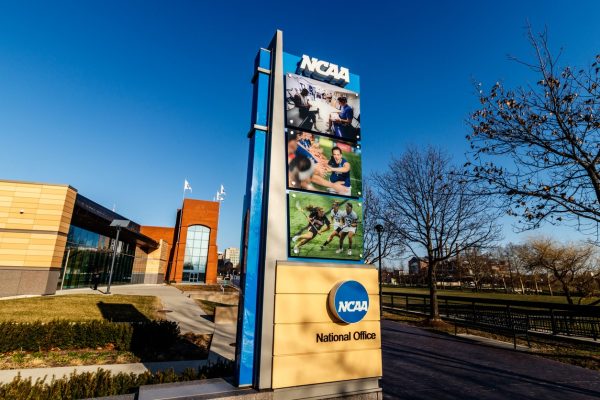
In March 2024, the NCAA, major conferences, and current and former college athletes reached a landmark settlement that fundamentally changed the economics of college sports. The agreement resolved three major antitrust lawsuits and established a framework for compensating athletes both retroactively and going forward. But as the details emerged, so did a secondary market: companies offering to buy athletes’ future settlement payments for immediate cash.
The short answer is yes, athletes can legally sell their settlement claims.*
Understanding the historic settlement
Before diving into the mechanics of selling payments, it’s essential to understand what the settlement actually provides. The agreement represents the most significant financial commitment to college athletes in NCAA history, built on two distinct pillars that address both past restrictions and future compensation.
- The first component is a $2.8 billion back-pay fund designed to compensate more than 14,000 former athletes who competed between 2016 and 2024. This massive sum acknowledges years during which the NCAA strictly prohibited athletes from profiting from their name, image, and likeness while the organization and schools generated billions in revenue. Due to the sheer size of this payout, the money will be distributed in annual installments over a 10-year period rather than as immediate lump sums.
- The second pillar addresses the future of college athletics. Beginning with the 2025-26 academic year, schools are now permitted to pay athletes directly through a revenue-sharing model. Each school faces a cap of approximately $20.5 million for the first year, representing roughly 22 percent of the average revenue generated by Power Five athletic departments. This component transforms college sports by legitimizing direct payment to athletes, moving beyond the previous model where only name, image, and likeness deals provided compensation.
These two components work in tandem to both remedy past harms and establish a new economic framework going forward. However, it’s the structure of the back-pay fund, with its decade-long payout schedule, that created the conditions for a secondary market to emerge.
Get Cash Now for Your Payments
Sell your future payments for cash now
How much do you need?
$
or select an amount
The emergence of the secondary market
The 10-year payment schedule created an immediate problem for many former athletes: they were owed significant sums of money, but wouldn’t receive the full amount for a decade. For a 26-year-old former college athlete who left school without a degree or is working an entry-level job, waiting a decade for payments that might total $50,000 or $100,000 can feel impossibly distant when faced with immediate financial needs like student loans, medical bills, or housing costs.
Instead of waiting 10 years to receive your full settlement, sell your claim and get cash immediately.
The mechanics are relatively simple:
- The athlete receives immediate liquidity, while the purchasing company collects the $10,000 annual payments for the next decade.
- It’s functionally similar to how lottery winners can sell their annuity payments or how lawsuit plaintiffs can sell structured settlements.
Judge Wilken’s ruling and legal framework
The question of whether athletes could legally sell their claims wasn’t immediately clear. Settlement agreements often contain provisions restricting transfer or assignment of payments, and there were questions about whether the unique nature of this class-action settlement might prohibit such sales.
Judge Claudia Wilken, the federal judge overseeing the settlement, addressed this question directly. Her ruling confirmed that athletes do have the legal right to sell their settlement claims if they choose to do so. This wasn’t merely a technical legal determination; it represented a recognition that these payments, once awarded, became a form of property that athletes could dispose of as they saw fit.
Making an informed decision
For athletes considering selling their settlement claims, several steps can help ensure a more informed decision.
- First, consult with a financial advisor or attorney who doesn’t have a financial interest in the transaction. Many legal aid organizations and financial counseling services offer free or low-cost consultations that can provide objective guidance.
- Second, calculate the true cost of the transaction, including both the discount and potential tax implications.
- Finally, if the decision is made to sell, read all documents carefully and ensure everything is in writing. Understanding exactly what rights are being transferred, what happens if there are problems with the settlement fund, and what recourse exists if issues arise can protect against additional complications down the road.
A note about JG Wentworth and NCAA settlement funding
As this secondary market for NCAA settlement payments continues to develop, JG Wentworth has taken a measured approach. For former college athletes exploring their options, we can help facilitate access to cash for NCAA and NIL settlement payments by connecting claimants with appropriate funding sources. This intermediary role reflects both the unique nature of these particular settlement payments and the evolving regulatory landscape surrounding them.
Selling NCAA NIL Settlement FAQ’s
What does JG Wentworth do?
JG Wentworth is the leader in structured settlements, annuities, and debt solutions. We are best known for purchasing future structured settlement payments and annuities in exchange for lump-sum cash payouts, helping individuals access funds they might otherwise have to wait years to receive.
Who is eligible to sell NCAA claims?
Individuals with valid claims in antitrust lawsuits related to college athlete NIL litigation — including House v. NCAA, Carter v. NCAA, and Hubbard v. NCAA — may be eligible to receive their settlement payments sooner.
When will NCAA settlement payments be paid out?
The timing of NCAA settlement payments can vary and is not guaranteed to occur all at once. Payments may be distributed over time and are often dependent on court approval, administrative processing, and the final terms of the settlement.
For many eligible athletes, this means payments could take months — or longer — to begin and may be spread out over several years rather than paid in a single lump sum.
If you don’t want to wait for scheduled payments, you may have the option to receive cash sooner by selling some or all of your future settlement payments.
Do I have to sell my entire NCAA settlement?
No. You may be able to sell only a portion of your future NCAA settlement payments and keep the rest. The amount you choose to sell depends on your individual situation and eligibility, and there’s no obligation to move forward unless the option makes sense for you.
SOURCES CITED
“Judge grants final approval of House v. NCAA settlement.” ESPN.
“The House Settlement Explained: What Athletes Should Know.” Harris Law.
About the author