


On this page
What's next




Earn a high-yield savings rate with JG Wentworth Debt Relief
600 Credit Score: Is it Good? (And How to Improve it Fast)
by
Marco Maknown
•
March 31, 2026
•
13 min
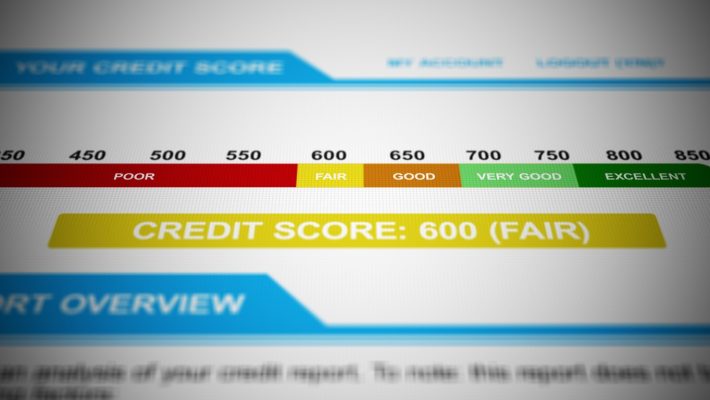
A credit score of 600 sits at a crossroads. It’s not the lowest a score can go, but it’s far from the kind of number that unlocks the best interest rates, premium credit cards, or favorable mortgage terms. If you’re sitting at 600 right now, you’re in what lenders typically call the “fair” zone — a place where borrowing is possible, but expensive. The good news is that 600 is also a score with a lot of upward potential. With the right strategy, moving from 600 to 700 is an achievable goal within 12 to 18 months for most people.
This guide breaks down exactly what a 600 score means, what you can still do with it, and — most importantly — how to leave it behind.*
Is 600 a good credit score?
To answer that honestly, it helps to understand how credit scores are categorized. FICO, the scoring model used by the vast majority of lenders, divides scores into five tiers:
- Poor: 300–579
- Fair: 580–669
- Good: 670–739
- Very Good: 740–799
- Exceptional: 800–850
A score of 600 falls squarely in the “Fair” range. VantageScore, another widely used model, uses slightly different labels but a similar structure — scores between 601 and 660 are considered “Fair” under that system as well. Either way, 600 is not a score lenders are excited about. It signals to them that there have been some missed payments, high balances, or other credit missteps in your recent history.
According to Experian’s consumer credit review, only around 17% of the U.S. population has a credit score in the fair range, and those borrowers pay significantly more in interest over their lifetimes than those with good or excellent credit.
The real-world impact of a 600 credit score is most visible in interest rates. A borrower with a 600 score applying for a personal loan might receive an APR of 20% or higher, while a borrower with a 750 score for the same loan might qualify for 10% or less. On a $10,000 loan over five years, that difference can add up to thousands of dollars in additional interest paid. The same principle applies to auto loans, mortgages, and credit cards. A 600 score doesn’t close every door, but it makes borrowing substantially more costly.
What is the lowest credit score possible?
Both FICO and VantageScore use a range of 300 to 850. That means 300 is technically the floor — the lowest credit score possible under either of the two dominant scoring models. In practice, most people with active credit histories don’t fall that low. Scores in the 300–500 range typically reflect multiple serious delinquencies, accounts in collections, bankruptcies, or some combination of all three.
Understanding the floor matters because it provides context for where 600 actually sits. At 600, you’re 300 points above the absolute minimum — you’re in the lower-middle of the spectrum, not at the bottom. That’s meaningful. It means the foundation is there. There is credit history, there are accounts, there is something for lenders to evaluate. The task now is building on that foundation rather than starting from scratch.
For those who do fall into the 300–579 “poor” range, the path to creditworthiness is longer but not impossible. Secured credit cards, credit-builder loans, and becoming an authorized user on a trusted person’s account are all tools used to rebuild from the bottom up. But if you’re reading this with a 600 score, you’ve already cleared those early hurdles. You’re working on refinement, not reconstruction.
It’s also worth noting that having no credit score at all — sometimes called being “credit invisible” — is a different situation than having a low score. The Consumer Financial Protection Bureau estimates that roughly 26 million Americans have no credit file at all, which presents its own challenges for accessing financial products.
Take your next step towards being debt-free
"*" indicates required fields
Buying a house or car with a 600 credit score
A 600 credit score doesn’t automatically disqualify you from buying a home or a car, but it will shape the terms you’re offered.
Mortgage options
For homebuyers, the most accessible path with a 600 score is typically an FHA loan. The Federal Housing Administration insures these loans, which allows lenders to extend credit to borrowers who wouldn’t qualify for conventional financing. Borrowers with credit scores as low as 580 can qualify for an FHA loan with as little as 3.5% down. Those with scores between 500 and 579 may still qualify, but would need a 10% down payment.
Conventional loans — those not backed by a government agency — typically require a minimum score of 620 to 640, depending on the lender. At exactly 600, you may be declined for conventional financing at many institutions, or approved with a significantly elevated interest rate and private mortgage insurance (PMI) requirements.
According to myFICO’s mortgage rate research, a borrower with a score between 620 and 639 can pay well over 1.5 percentage points more in mortgage interest than a borrower with a score of 760 or higher. On a $300,000 30-year fixed-rate loan, that gap translates to more than $56,000 in additional interest paid over the life of the loan.
Before applying for a mortgage, it’s also worth calculating your debt-to-income (DTI) ratio. Most lenders prefer a DTI below 43%, meaning no more than 43% of your gross monthly income goes toward debt payments. Using a debt-to-income ratio calculator can help you gauge how much house you can realistically afford and whether your current debt load will hold you back even if your credit score qualifies you.
Auto loans
The auto loan market is somewhat more forgiving than the mortgage market when it comes to lower credit scores, primarily because the loan amounts are smaller and lenders can repossess the collateral more easily. With a 600 credit score, you can likely secure an auto loan — but you should expect a higher interest rate and potentially a larger required down payment.
Borrowers in the “fair” credit range (580–669) typically receive auto loan interest rates in the 10–15% range for new cars and even higher for used vehicles, compared to rates under 5% for borrowers with excellent credit. This is why working on your credit score before making a major purchase makes significant financial sense. Even a few months of credit-building activity before applying for a car loan can result in meaningfully better terms.
Best credit cards for a 600 credit score
At 600, your credit card options are more limited than they would be with a “good” score, but they’re not nonexistent. The key is knowing which types of cards to look for.
Secured credit cards
Secured cards require a cash deposit that serves as your credit limit — typically between $200 and $500. Because the lender’s risk is minimized by that deposit, secured cards are accessible to borrowers with fair or even poor credit. Used responsibly, a secured card is one of the most reliable tools for building credit over time. The deposit is usually refundable when you close the account or graduate to an unsecured card.
When choosing a secured card, look for one with no annual fee (or a very low one), a competitive APR, and — most critically — one that reports your payment activity to all three major credit bureaus: Equifax, Experian, and TransUnion. Without reporting to all three, the card won’t help you build a comprehensive credit profile.
Unsecured cards for fair credit
Some lenders do offer unsecured credit cards to borrowers in the fair credit range. These cards typically come with lower credit limits, higher APRs, and sometimes annual fees. Cards in this category often have fees that offset their accessibility, so it’s important to read the terms carefully. The Consumer Financial Protection Bureau offers guidance on how to evaluate credit card fee structures before applying.
The goal with any card at this stage isn’t to maximize rewards — it’s to use the card for small, routine purchases, pay the balance in full each month, and let the on-time payment history accumulate on your credit report. Over 6 to 12 months of consistent behavior, that pattern alone can produce a meaningful lift in your score.
5 steps to improve your score from 600 to 700
Moving from 600 to 700 is a realistic 12-to-18-month goal for most people. It requires discipline but not complexity. Here are the five highest-impact actions you can take.
Prioritize payment history above everything else
- Payment history is the single largest factor in your FICO score, accounting for 35% of the total calculation. This means that every on-time payment you make is a deposit into your credit-building account, and every missed or late payment is a significant withdrawal.
- If you have accounts that are currently delinquent, bringing them current should be your first priority. If you have accounts in collections, consider negotiating a pay-for-delete agreement — in which the creditor agrees to remove the collection account from your credit report in exchange for payment — though not all collectors will agree to this.
- Going forward, set up autopay for every account. Even a single 30-day late payment can drop your score by 50 to 100 points, depending on your current profile. Consistency over time is what builds the score.
Reduce your credit utilization ratio
- Credit utilization — the percentage of your available revolving credit that you’re currently using — accounts for about 30% of your FICO score. The general rule of thumb is to keep utilization below 30%, but the most credit-savvy borrowers aim for under 10%.
- If you have a credit card with a $1,000 limit, that means keeping your balance below $300, ideally below $100. Paying down high balances is one of the fastest ways to boost your score, because changes in utilization are reflected in your score relatively quickly — often within one to two billing cycles.
- It’s worth noting that this threshold applies per card as well as across your total credit. A single card maxed out at $1,000 can drag your score down even if all your other cards have zero balances.
Dispute errors on your credit report
- Errors on credit reports are more common than most people realize. According to a study by the Federal Trade Commission, a significant portion of consumers have at least one error on their credit report that could be affecting their score. Common errors include accounts that don’t belong to you, payments incorrectly marked as late, duplicate accounts, and outdated negative information that should have aged off.
- You’re entitled to a free copy of your credit report from each of the three major bureaus every 12 months through com. Review each report carefully. If you find an error, file a dispute directly with the bureau that reported it. The bureau is required by law to investigate and respond within 30 days. Successfully disputing even one significant error can produce an immediate and meaningful score improvement.
Use the debt snowball method to eliminate balances
- Carrying significant balances across multiple accounts is one of the most common reasons credit scores stagnate. The debt snowball method — popularized by financial author Dave Ramsey — involves listing your debts from smallest to largest balance and focusing all extra payments on the smallest one while making minimum payments on the others. Once the smallest is paid off, you roll that payment amount into the next smallest, creating a compounding payoff momentum.
- While some financial experts favor the debt avalanche method (paying highest-interest debt first for maximum mathematical efficiency), the debt snowball tends to produce better behavioral results for most people because it generates quick wins that sustain motivation. Either approach will improve your credit utilization over time as balances fall.
Be strategic about new credit applications
- Each time you apply for a new credit card or loan, the lender typically performs a “hard inquiry” on your credit report, which can temporarily lower your score by a few points. Multiple hard inquiries in a short period can signal to lenders that you’re in financial distress or over-extending yourself.
- At 600, you don’t need to avoid credit entirely — opening a new account can actually help by increasing your total available credit (which lowers your utilization ratio). But be deliberate. Apply for cards you’re likely to be approved for, space out your applications, and avoid applying for credit in the months leading up to a major loan application like a mortgage or car loan.
- Also keep in mind that the length of your credit history accounts for 15% of your FICO score. Closing old accounts — even ones you don’t use — can shorten your average account age and slightly lower your score. Generally, unless an account carries an annual fee you can’t justify, it’s better to keep old accounts open and occasionally use them for small purchases.
The bottom line
A 600 credit score is not a destination — it’s a waypoint. It tells the story of some financial stumbles, but it also represents an active credit history with real room to grow. The gap between 600 and 700 is meaningful: crossing it will open the door to better mortgage rates, lower car payments, and credit cards with actual rewards rather than just accessibility.
The path there doesn’t require any tricks or shortcuts. It requires consistent on-time payments, controlled credit card balances, periodic review of your credit reports for errors, and a strategic approach to paying down debt. Start with the highest-impact changes first — payment history and utilization — and let time do the rest of the work.
Most people who commit to these steps see measurable progress within six months and can realistically reach 700 within a year or two. The starting point is 600. The work starts now.
There’s always JG Wentworth…
Do you have $10,000 or more in unsecured debt? If so, there’s a good chance you’ll qualify for the JG Wentworth Debt Relief Program.* Some of our program perks include:
- One monthly program payment
- We negotiate on your behalf
- Average debt resolution in as little as 24-60 months
- We only get paid when we settle your debt
- Some clients save up to 46% before program fees
If you think you qualify for our program, give us a call today so we can go over the best options for your specific financial needs. Why go it alone when you can have a dedicated team on your side?
* This information is provided for educational and informational purposes only. Such information or materials do not constitute and are not intended to provide legal, accounting, or tax advice and should not be relied on in that respect. We suggest that You consult an attorney, accountant, and/or financial advisor to answer any financial or legal questions.
SOURCES CITED
- Experian — What is a good credit score?
- Consumer Financial Protection Bureau — Credit invisibles data point
- myFICO — How can your credit score affect your mortgage rate?
- Consumer Financial Protection Bureau — Understanding credit card fees
- Federal Trade Commission — Credit-based insurance scores report
- AnnualCreditReport.com — Free credit reports
About the author

Recommended reading for you




* Program length varies depending on individual situation. Programs are between 24 and 60 months in length. Average graduated clients realize approximate savings of 44% before our program fee and 21% after program fee. This is a Debt resolution program provided by JGW Debt Settlement, LLC (“JGW” of “Us”)). JGW offers this program in the following states: AL, AK, AZ, AR, CA, CO, FL, ID, IN, IA, KY, LA, MD, MA, MI, MS, MO, MT, NE, NM, NV, NY, NC, OK, PA, SD, TN, TX, UT, VA, DC, and WI. If a consumer residing in CT, GA, HI, IL, KS, ME, NH, NJ, OH, RI, SC and VT contacts Us we may connect them with a law firm that provides debt resolution services in their state. JGW is licensed/registered to provide debt resolution services in states where licensing/registration is required.
Debt resolution program results will vary by individual situation. As such, debt resolution services are not appropriate for everyone. Not all debts are eligible for enrollment. Not all individuals who enroll complete our program for various reasons, including their ability to save sufficient funds. Savings resulting from successful negotiations may result in tax consequences, please consult with a tax professional regarding these consequences. The use of the debt settlement services and the failure to make payments to creditors: (1) Will likely adversely affect your creditworthiness (credit rating/credit score) and make it harder to obtain credit; (2) May result in your being subject to collections or being sued by creditors or debt collectors; and (3) May increase the amount of money you owe due to the accrual of fees and interest by creditors or debt collectors. Failure to pay your monthly bills in a timely manner will result in increased balances and will harm your credit rating. Not all creditors will agree to reduce principal balance, and they may pursue collection, including lawsuits. JGW’s fees are calculated based on a percentage of the debt enrolled in the program. Read and understand the program agreement prior to enrollment.
This information is provided for educational and informational purposes only. Such information or materials do not constitute and are not intended to provide legal, accounting, or tax advice and should not be relied on in that respect. We suggest that you consult an attorney, accountant, and/or financial advisor to answer any financial or legal questions.
**Not an actual customer. Example for illustrative purposes and does not take into account our program fee.


